Rental inspection checklists
Three inspections, one checklist each. Move-in before the keys are handed over, routine every few months during the tenancy, and move-out when the keys come back. Running HUD-funded units? See our affordable housing inspection checklists.
Example checklist: Move-in
The move-in inspection is the record everything else is measured against. Walk the property with the tenant before they get the keys, note existing wear and damage, and have both of you sign it. Without it, a move-out dispute comes down to memory.
Complete this together with the renter. Check off acceptable items and record any damage or defects before the lease begins. Confirm smoke and carbon monoxide alarms are working, and complete the lead-based paint disclosure for any home built before 1978.
Entrance
Check the front door operates smoothly and locks securely. Note the condition of the doorbell and entry lighting.
- Front door
- Lock and hardware
- Doorbell
- Lighting
Hallway
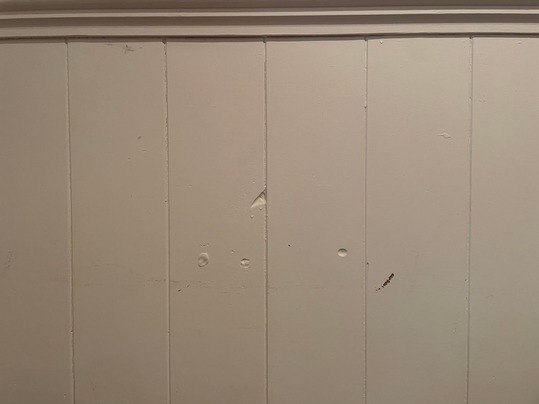
Check walls, doors and floor coverings along the hallway. Note any marks, scuffs or trip hazards.
- Walls
- Doors
- Lights and outlets
- Floors and floor coverings
Living room
Check walls, doors, windows and heating. Test that all lights and outlets work.
- Walls
- Doors
- Lights and outlets
- Floors and floor coverings
- Windows
- Blinds and drapes
- Heating and cooling
Kitchen and dining
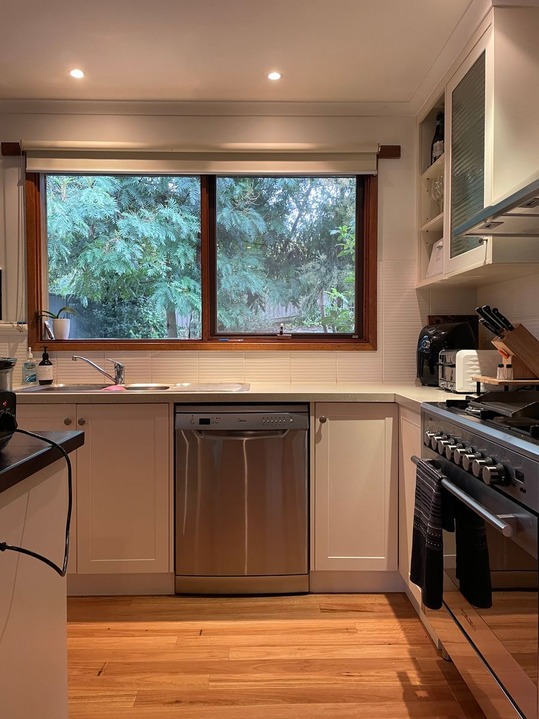
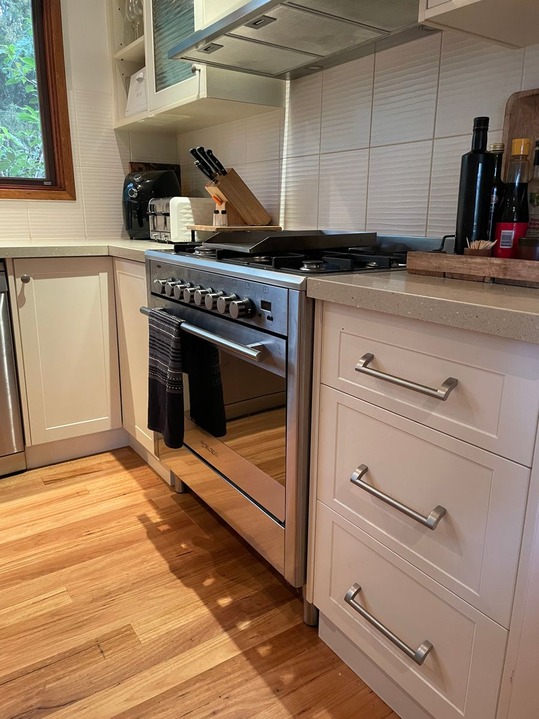
Test all appliances, faucets and lights. Check cupboards open and close properly and note any damage to countertops or surfaces.
- Walls
- Doors
- Lights and outlets
- Floors and floor coverings
- Windows
- Blinds and drapes
- Cabinets
- Sinks and countertops
- Range and oven
- Refrigerator
- Exhaust fan
- Dishwasher
- Garbage disposal
Pro tips
How to record condition
A checklist with ticks in it settles nothing. What holds up later is evidence: what you saw, when you saw it, and whether the tenant agreed.
- ✓Photograph every room, including walls, floors and the inside of cupboards and appliances. Wide shots for context, close-ups for damage.
- ✓Keep timestamps. Photos taken on the day, with the date attached, are the difference between a claim and proof.
- ✓Use one condition scale and stick to it. "No issues" and "requires attention" beats a paragraph nobody reads.
- ✓Separate wear from damage. Faded carpet in a hallway is wear. A burn in the carpet is damage. Say which.
- ✓Get the tenant's signature at move-in and move-out, and send them a copy the same day.
This is the part myInspections does for you: photos, timestamps, condition and signatures land in one report from your phone.
Common mistakes
- Skipping the move-in inspection, then trying to prove damage at move-out with nothing to compare against.
- Writing "fine" or "ok" instead of describing what you saw.
- No photos, or photos with no date on them.
- Not testing the smoke and carbon monoxide alarms while you're standing next to them.
- Turning up without the notice your tenancy law requires.
- Never asking the tenant to sign the record.
Notice and entry
You can't walk in whenever you like, and the rules differ a lot from one jurisdiction to the next: how much notice, whether it has to be in writing, how often you can inspect at all. Your lease can ask for more notice than the law, never less, and emergencies like a burst pipe or a gas smell are the exception everywhere. A few examples below. Look up yours before you knock.
| Jurisdiction | Notice for a routine inspection | Law |
|---|---|---|
| New Zealand | 48 hours, at most once every 4 weeks | Residential Tenancies Act 1986, s 48 |
| England | 24 hours, in writing, at a reasonable time | Landlord and Tenant Act 1985, s 11 |
| New South Wales | 7 days, in writing, at most 4 a year | Residential Tenancies Act 2010, s 55 |
| Victoria | 7 days, in writing, at most once every 6 months | Residential Tenancies Act 1997, s 86 |
| Ontario | 24 hours, in writing | Residential Tenancies Act 2006, s 27 |
| California | 24 hours, in writing | Civil Code § 1954 |
| Texas | No statute, the lease governs | Property Code ch. 92 |
Representative examples, not legal advice. Check your local tenancy law and your lease before you enter.
Some of our writing
Things we've learned from doing a lot of inspections.